AI Newsletter #6: AI Showcase & Policy

A few weeks back, I encouraged everyone interested to book a session with me to learn about AI, specifically about Claude Code and the Superpowers plugin. A few departments signed up and we had to find specific use cases during the session. Post training, it wasn't easy for people to find time to practice the methods but a few were able to apply what they learned and it paid off.
What they built is genuinely impressive. Some did it without a paid subscription, making do with free tiers. Others purchased their own personal subscriptions because our AI Tooling Policy wasn't formalized yet — so approvals were harder to get. That changes soon. More on that later.
The following are screenshots of what these early adopters has built with AI in the past few weeks.
Operations & Documentation
Beth Immam handles agents and MSS for Kingsbourn — a marketing leg for CFB. Before AI sessions, her operations ran on spreadsheets and manual processes. She built several websites: a code of discipline handbook, a marketing operations manual, a KB Marketing Production dashboard, a credit loan verification tool, and a commissions calculator.
Chay Nolasco of Fastcash built a dashboard — (insert details here) operations made visible, manual work automated.
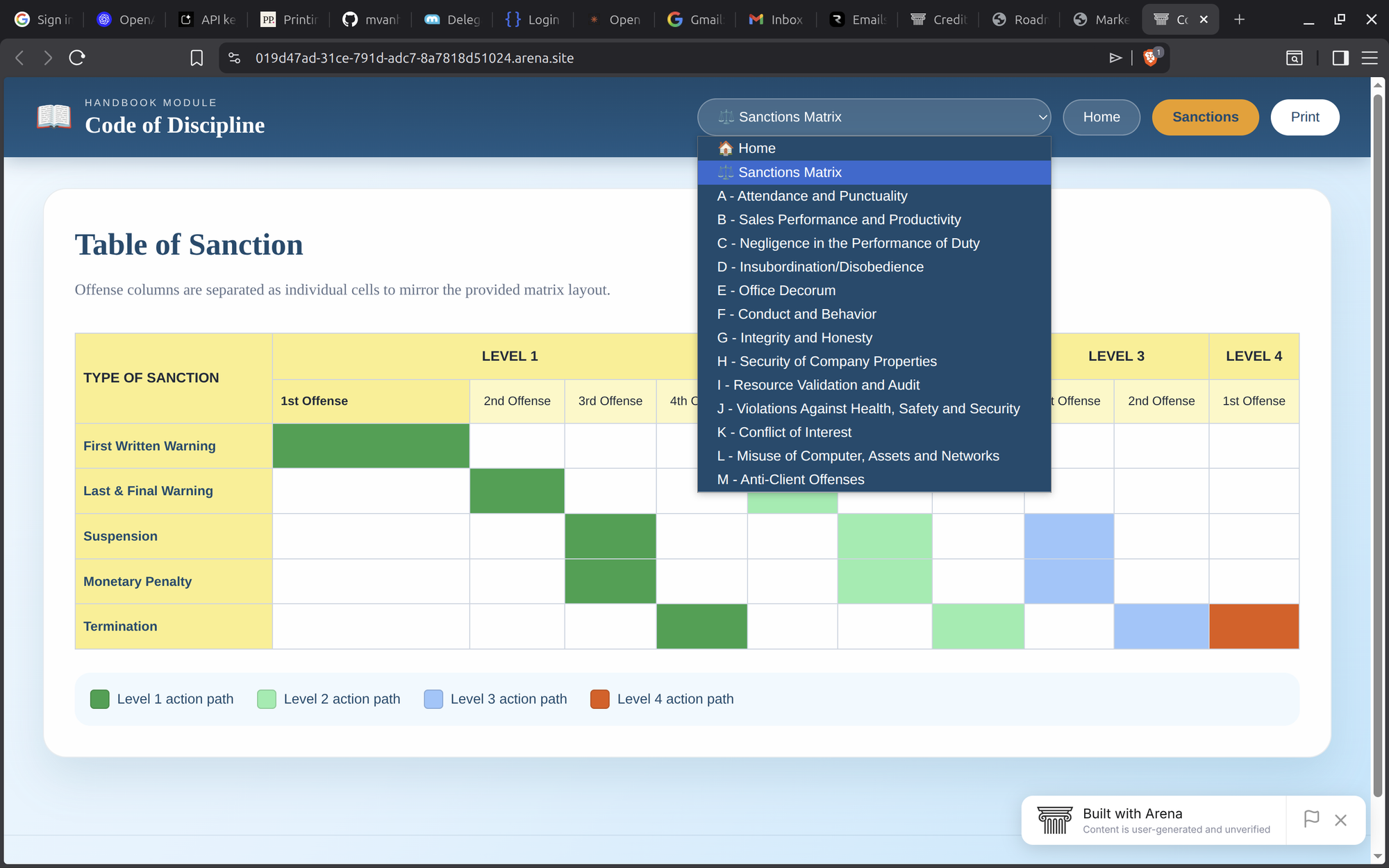
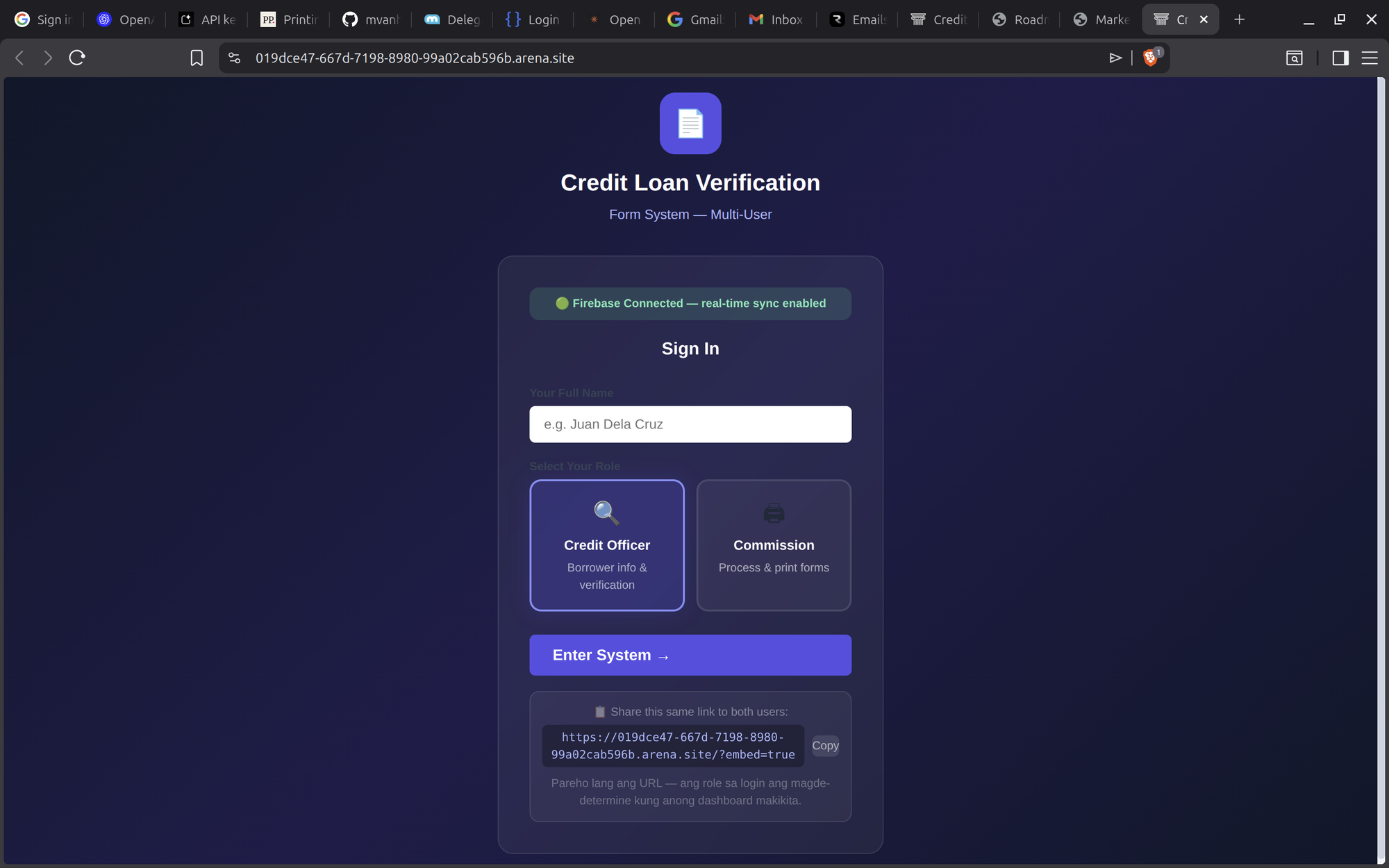
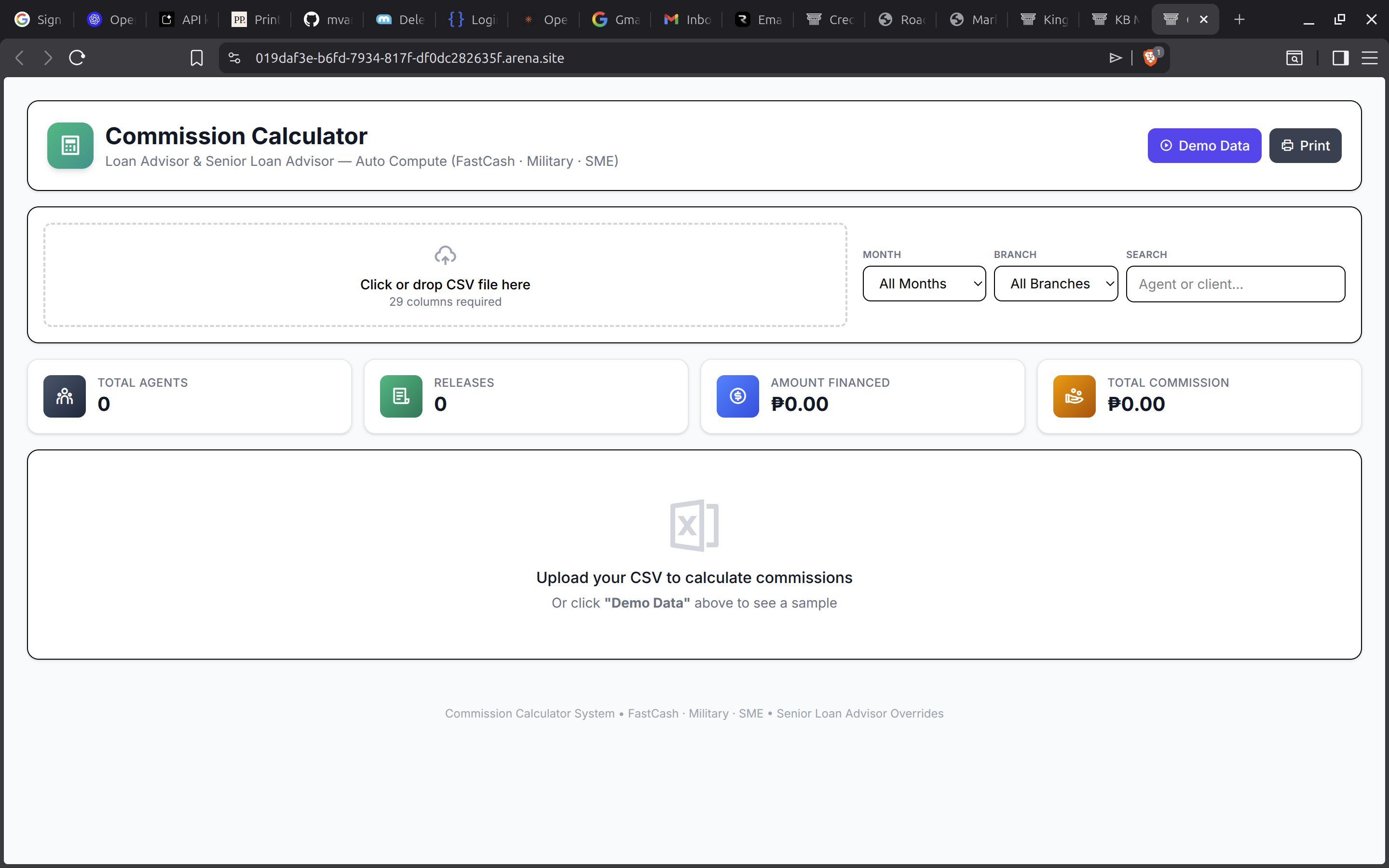
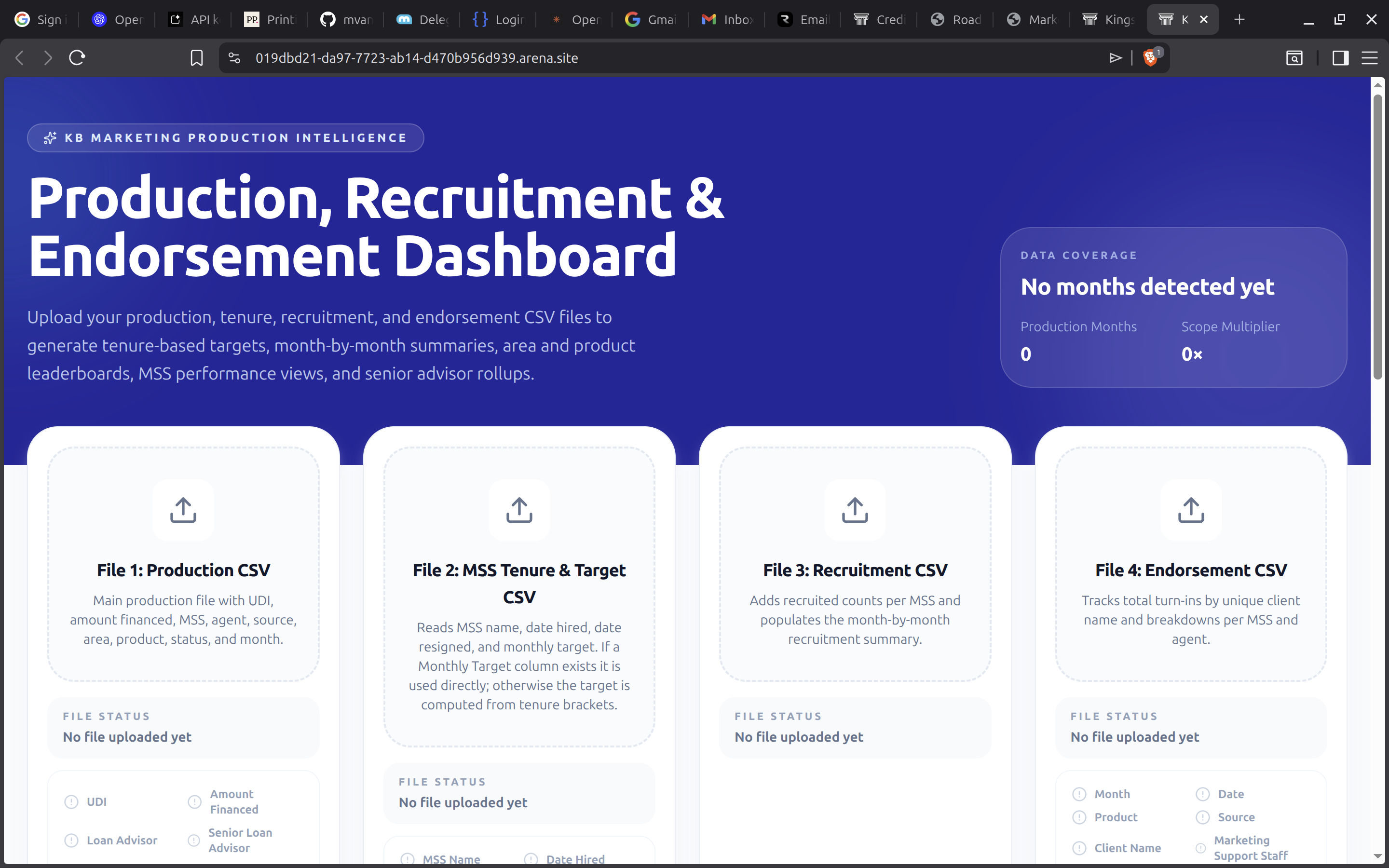
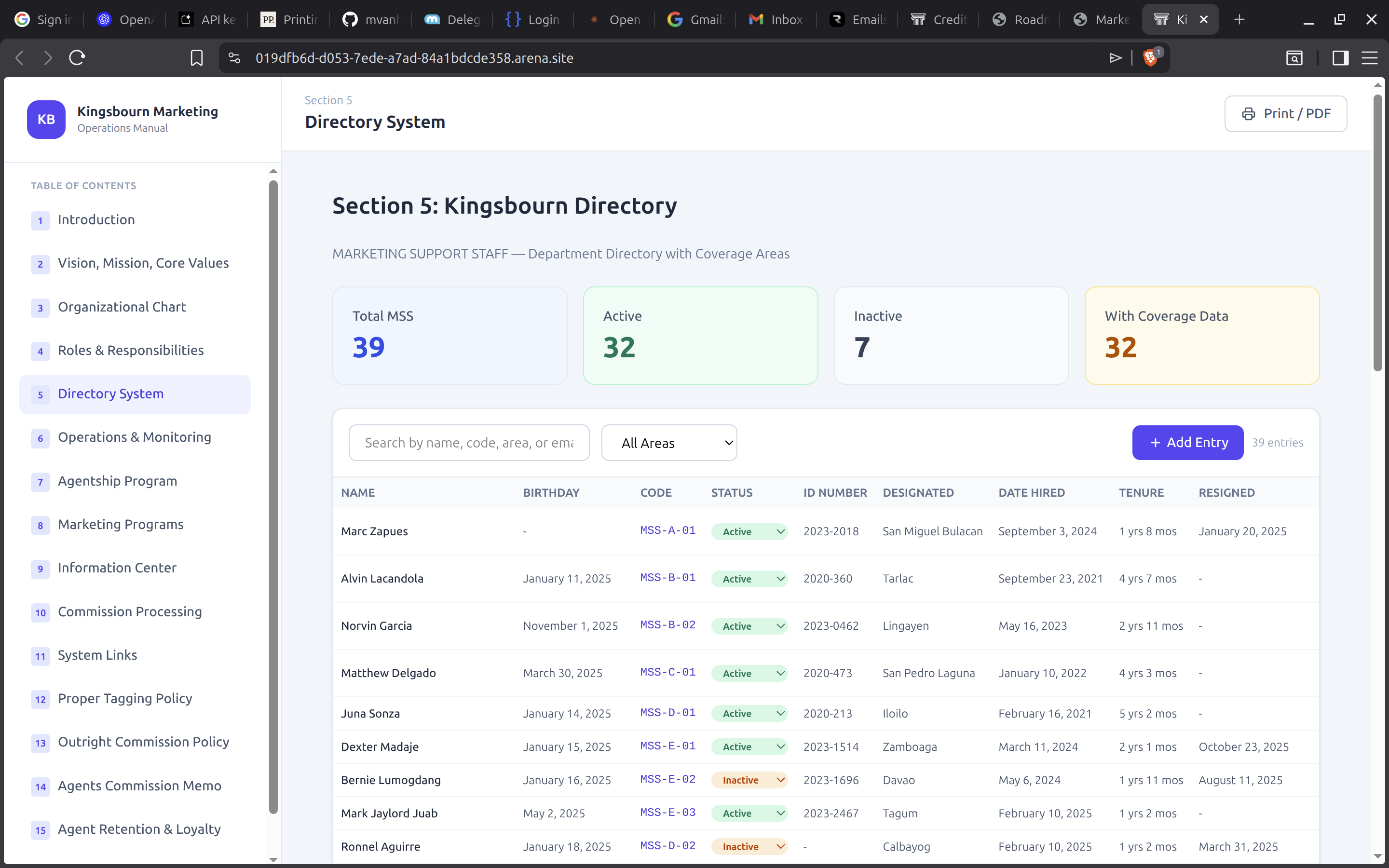
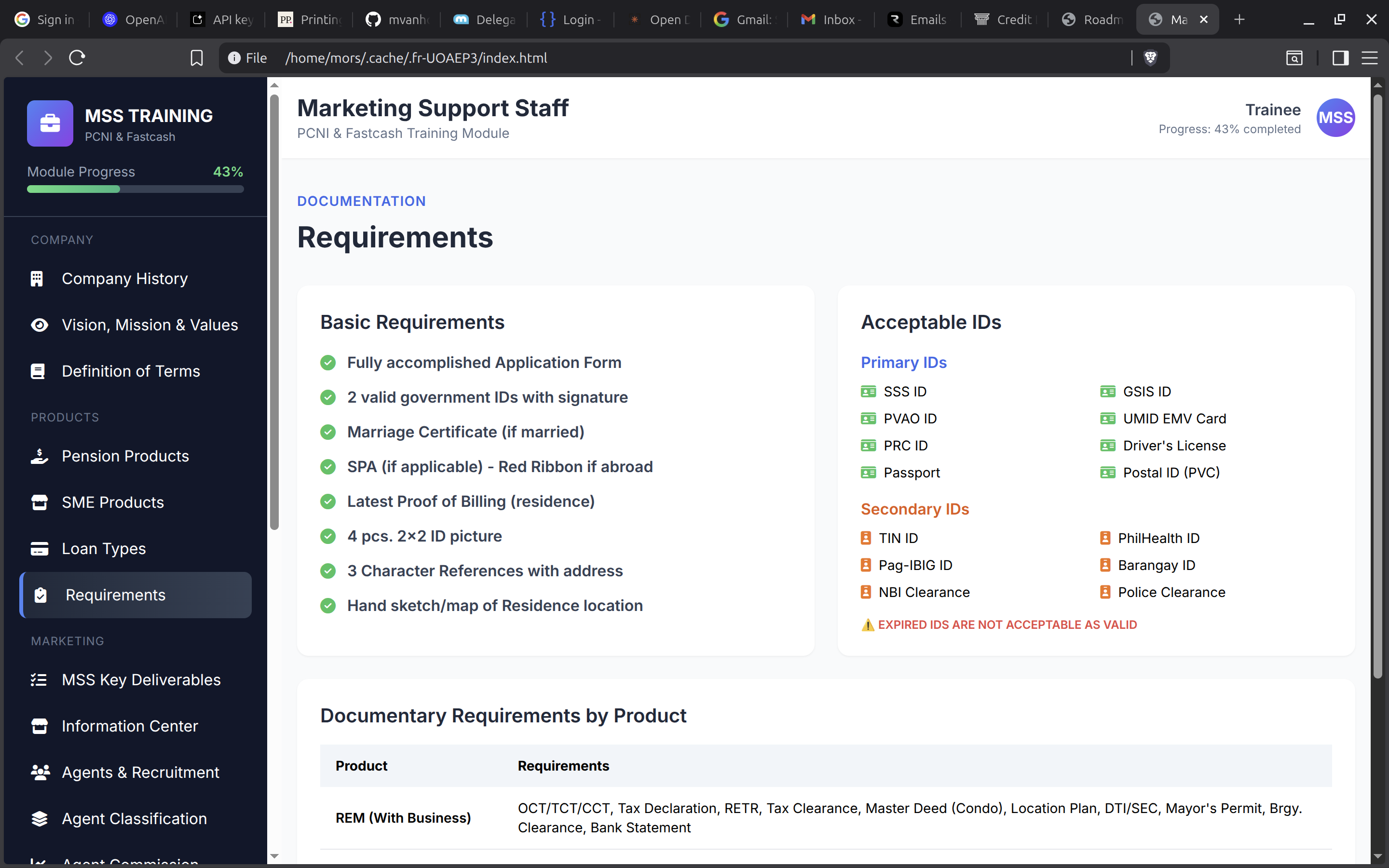
Beth and Chay built tools that replaced spreadsheets and made their operations legible and searchable.
Develop Internal Systems & Tools
Ritz Aguspina of ODVI Digital Marketing built the Digital Marketing Calendar App — previously a spreadsheet of social media posts, updated manually with FastCash Marketing through discussion and Viber. Now: an app with role-based access, allowing Digital Marketing of ODVI and FastCash Marketing to collaborate asynchronously. Next phase: auto-posting directly to social channels like Facebook.
Runar Sanico of ODVI Internal Audit built the SUKI TAT (Turnaround Time) Monitoring web portal. The goal: accurately monitor, track, and optimize time incurred by each department during the end-to-end loan origination process. Before: manual tracking, no visibility, paper-based. After: real-time digital pipeline — exactly where an application is at any moment, from initial branch submission all the way to final accounting.
Reggie Alberca of CFB MIS, the OG developer, had the desire and background to code but didn't have the time to learn modern tech stacks. With AI assistance, he recently built and deployed NBCCS: the NextBank-FastCash Change Claiming System. A fully web-based tool for Treasury and branches to process change claims for fully-paid pension loan accounts under GSIS, PVAO, and SSS.
JC Delizo, Project Manager of the Digital Transformation Team, built an AI Chatbot that automates ticket intake and is integrated with Linear. The chatbot now handles the whole ticket workflow autonomously which frees up the rest of the team to focus on delivering functionality. JC also runs Ivan's AI workflow to resolve bugs and enhancements in Odoo even though he is not a full-stack developer.
Jake Casaria, already a talented developer & analyst for CFB, still uses AI to build multiple applications for sales performance tracking & various CRMs for CFB.
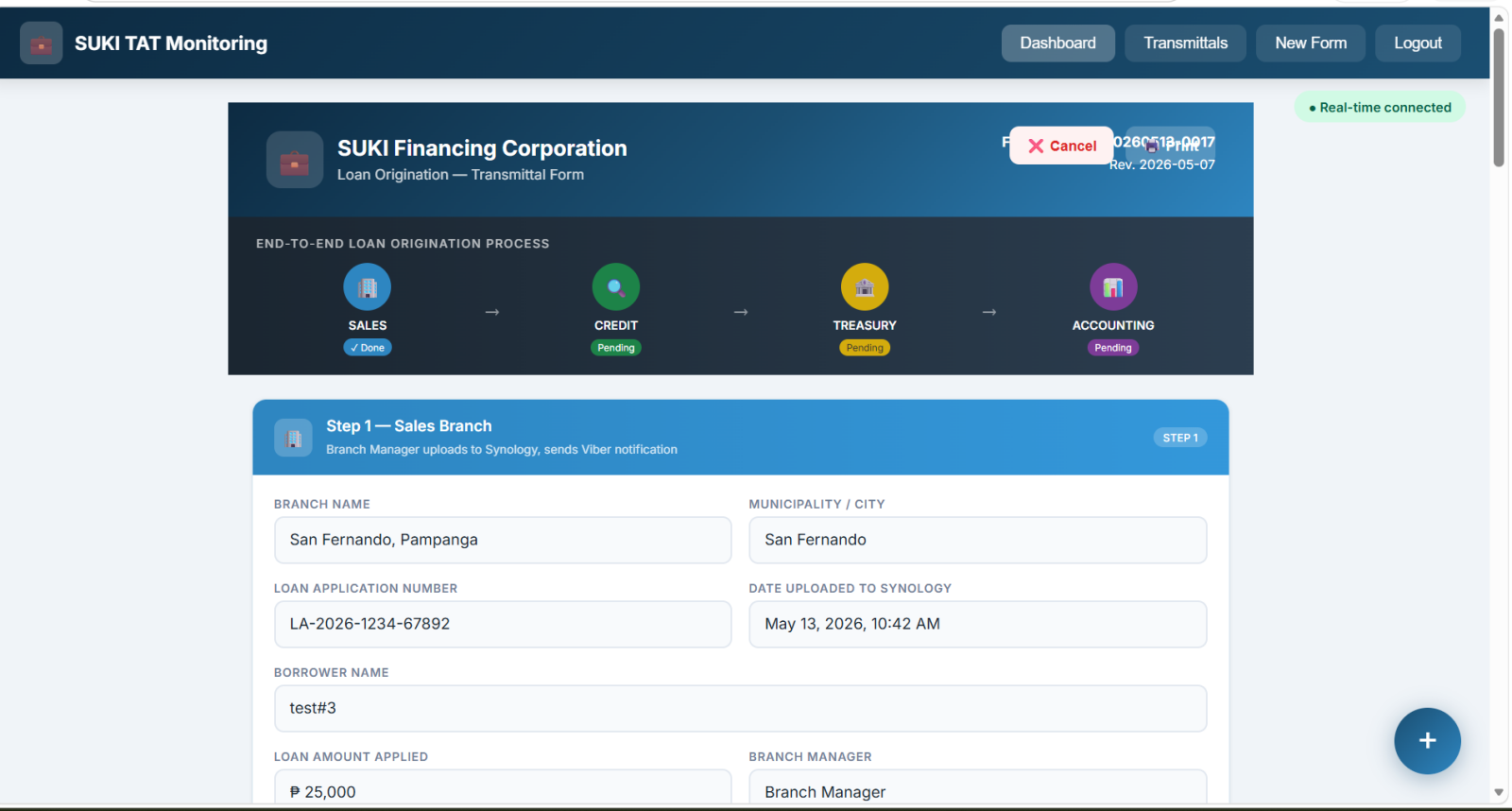
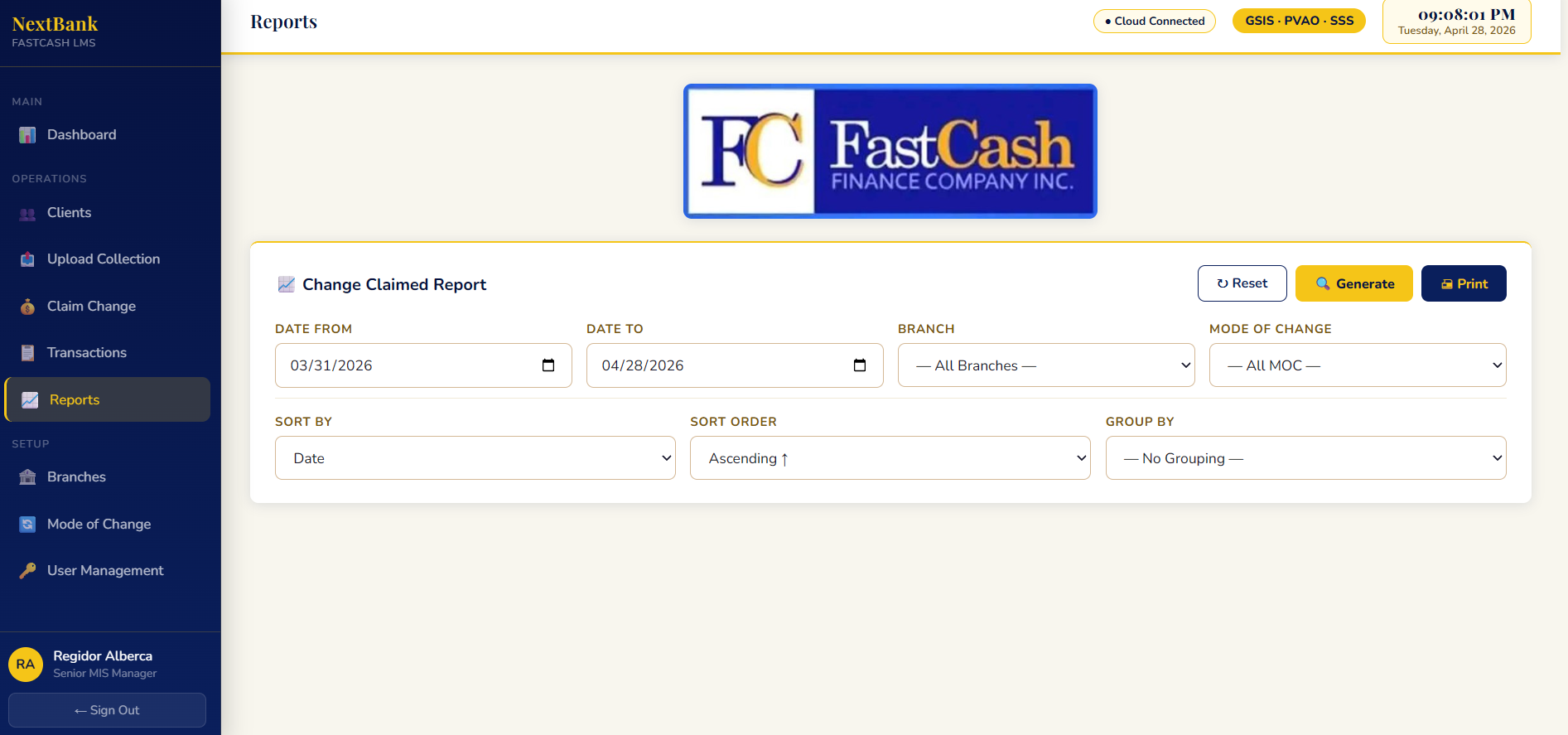
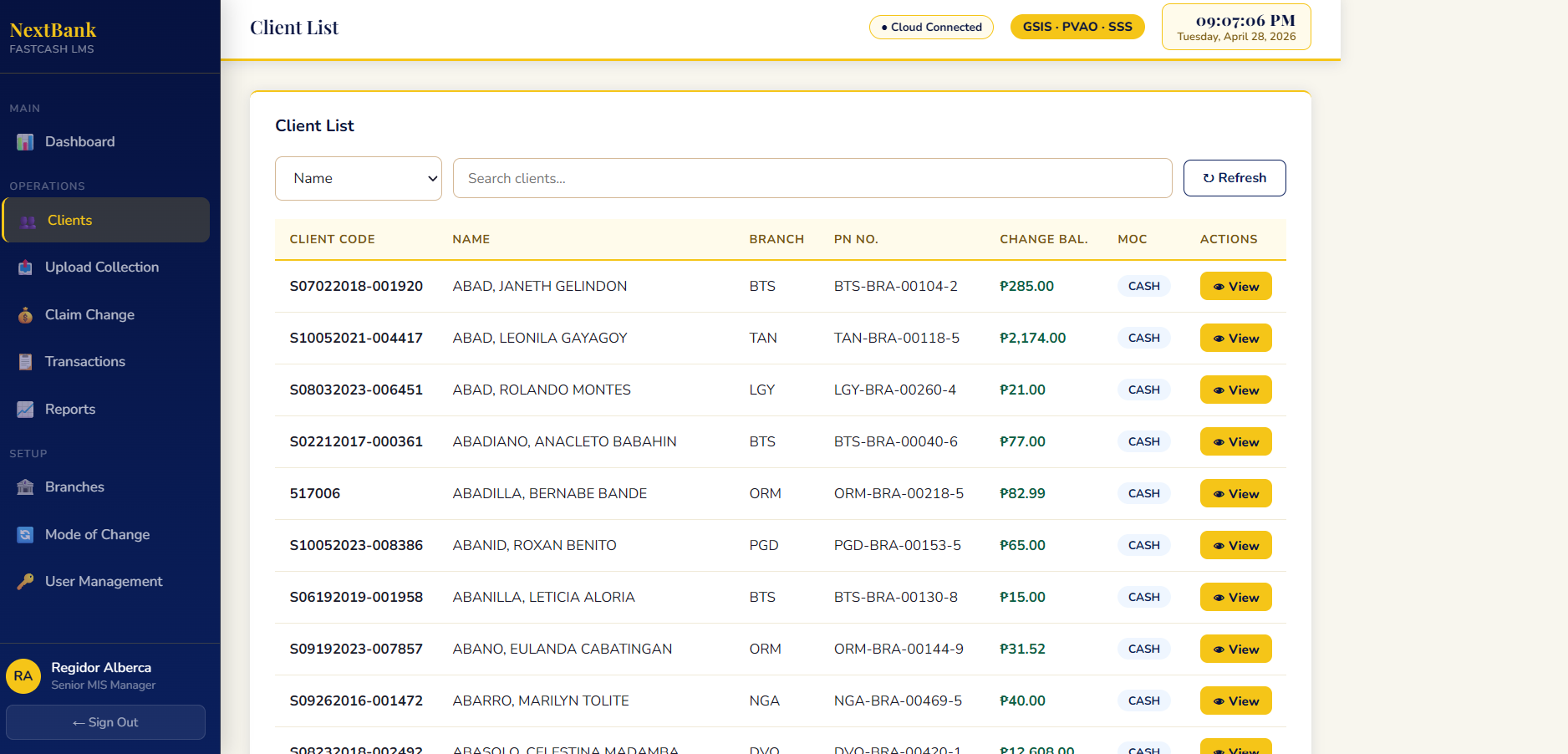
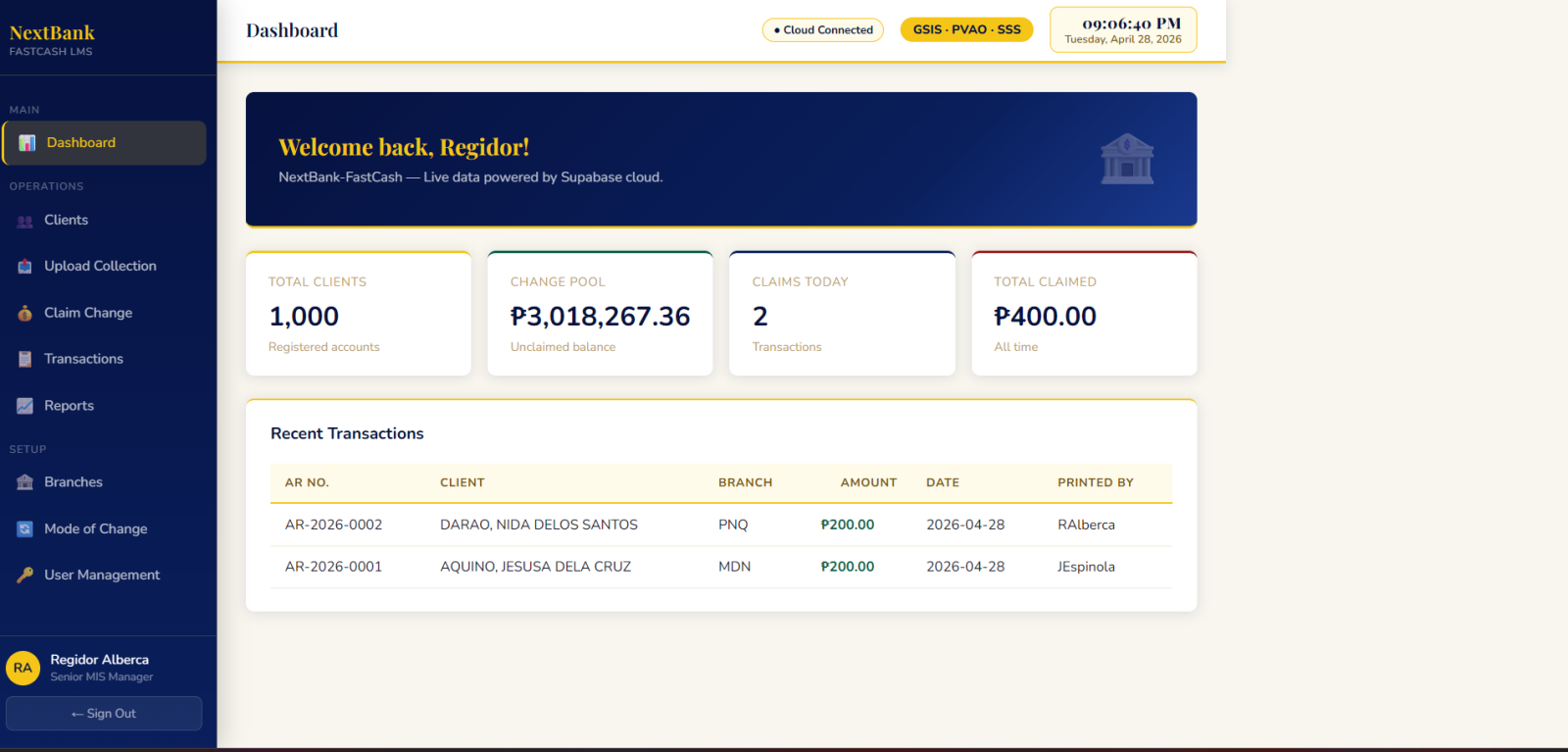
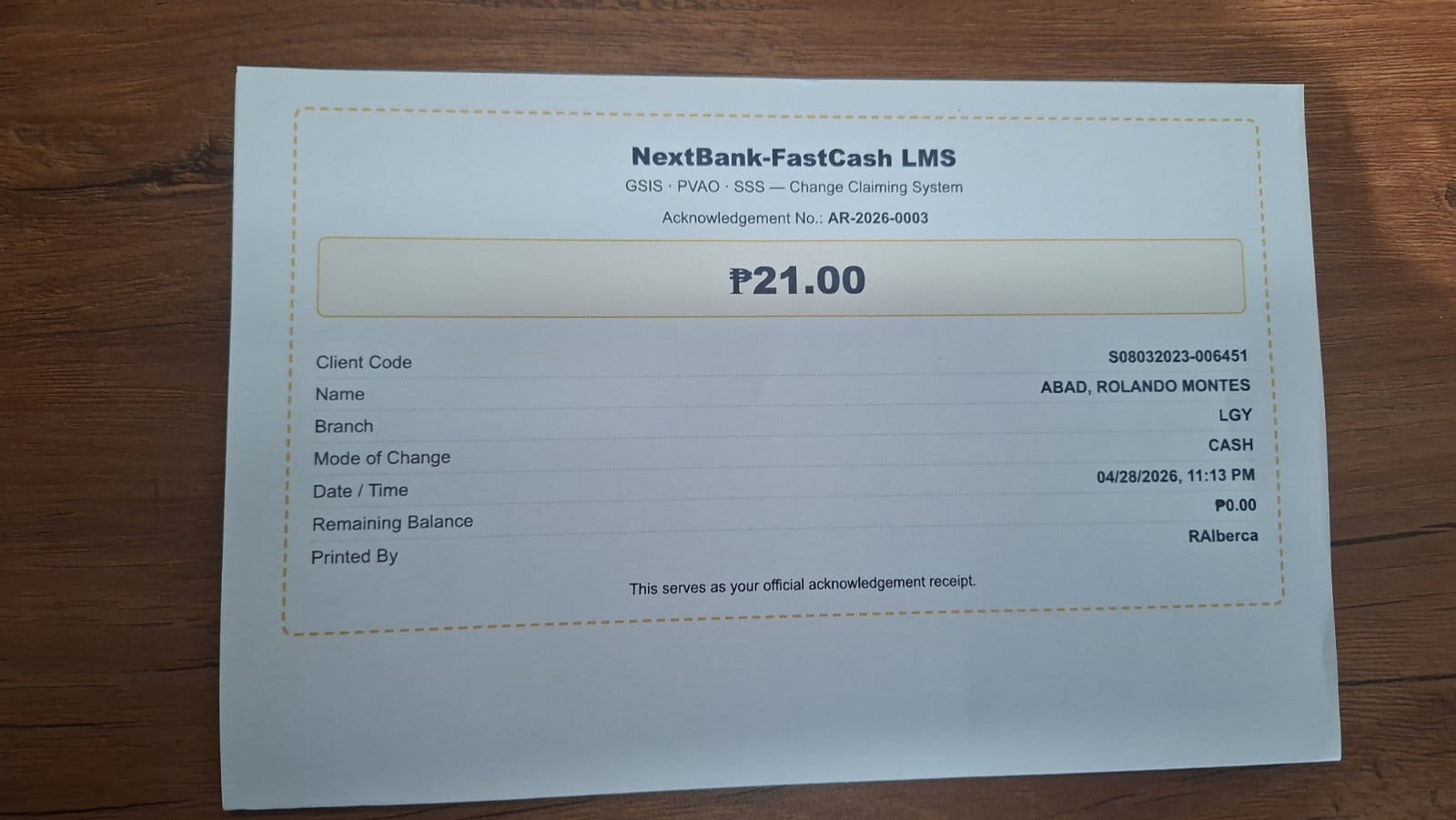
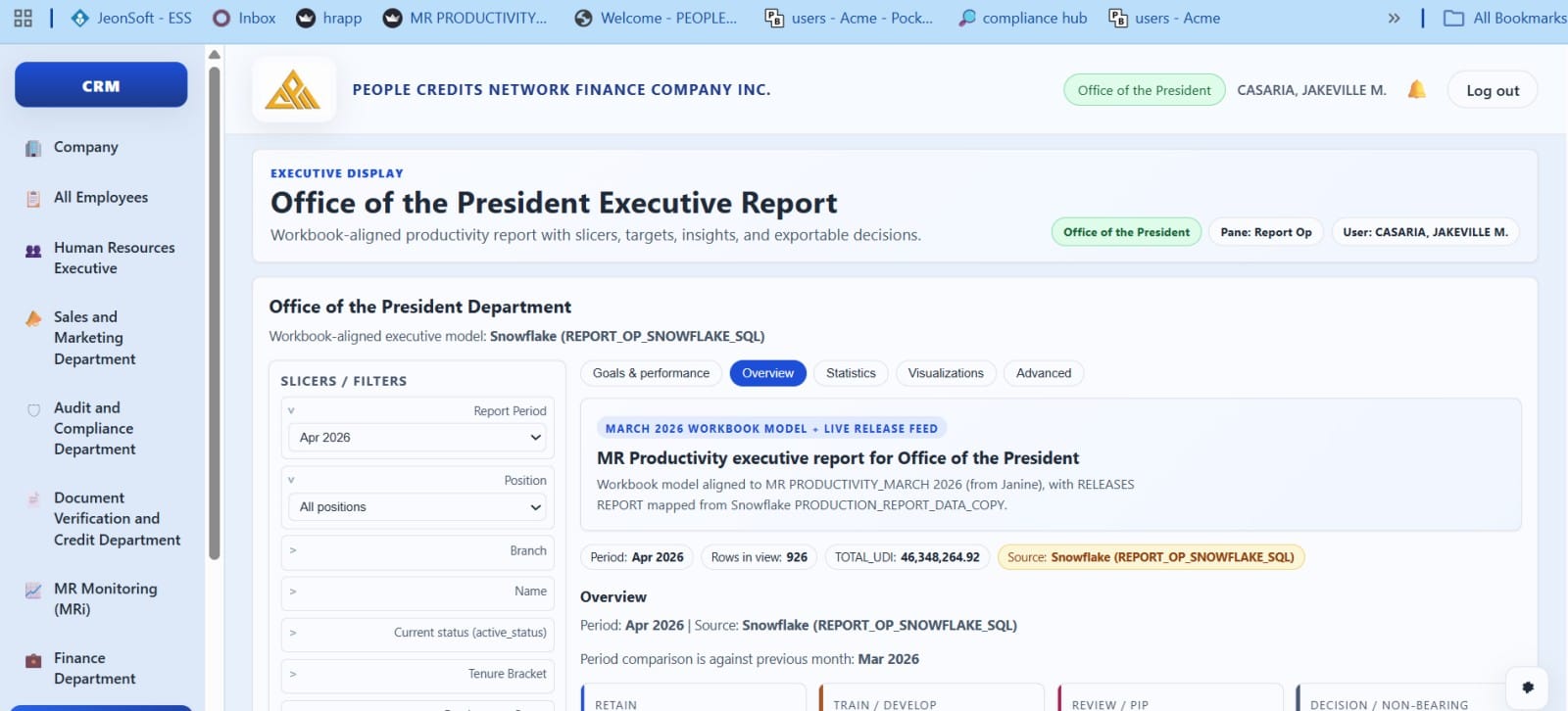
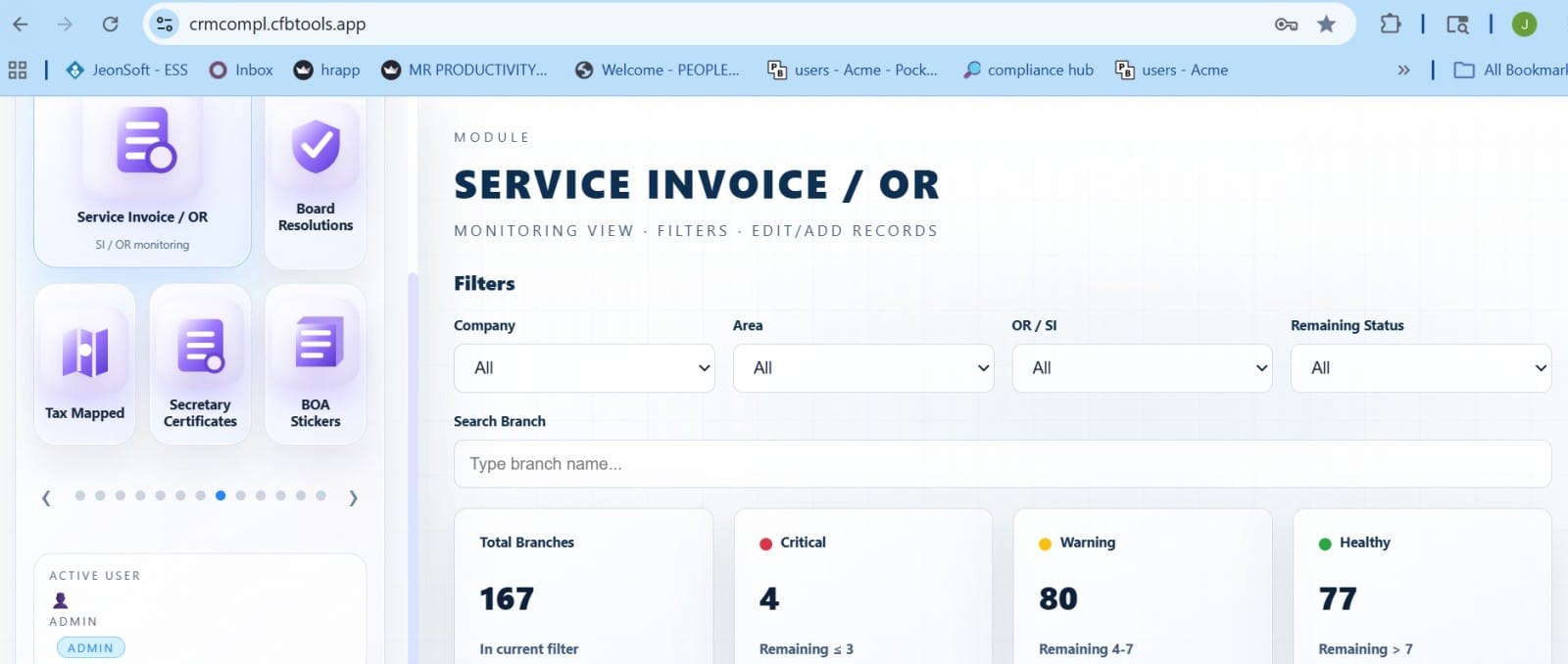
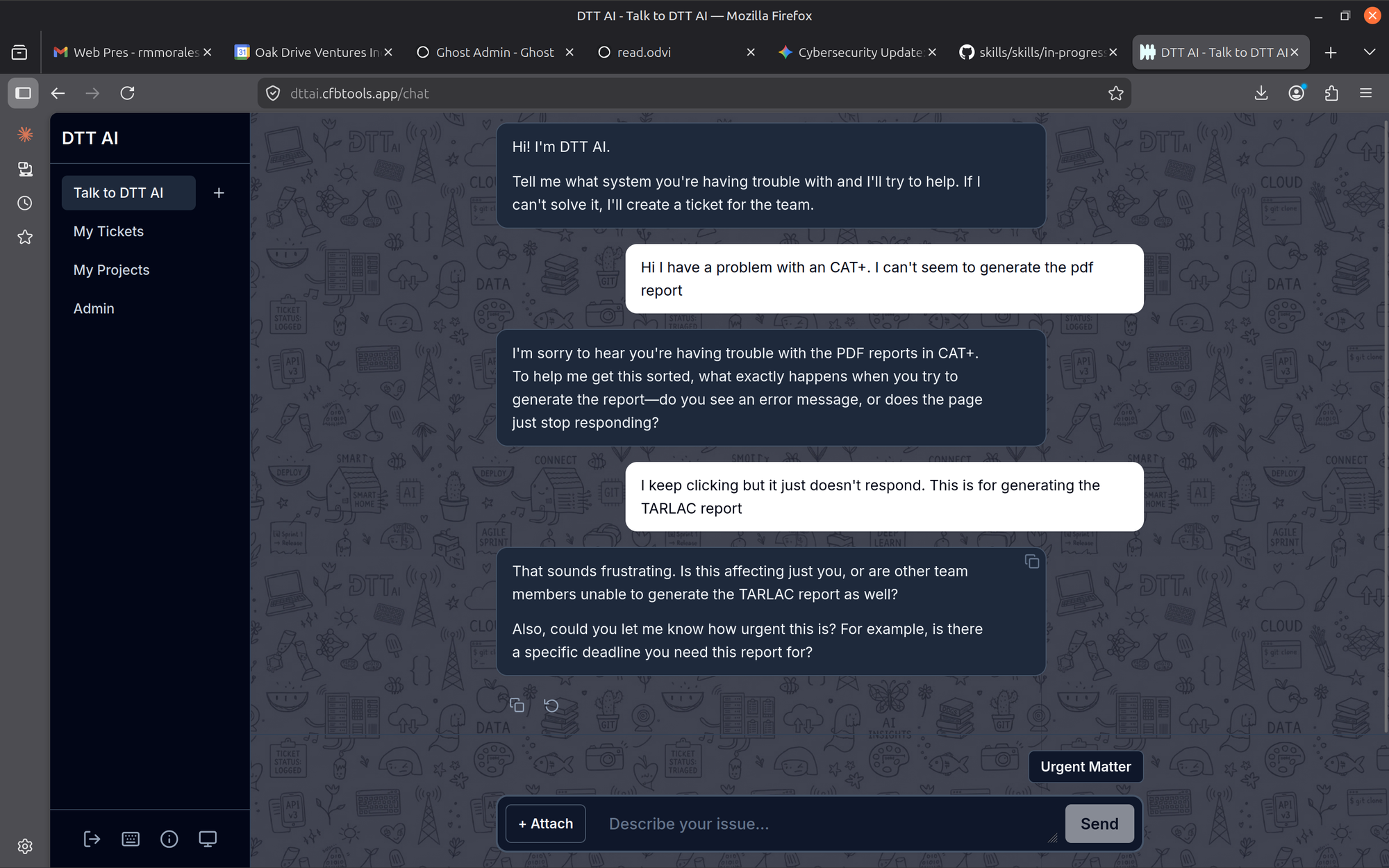
With or without programming backgrounds: our teammates were able to make these full stack applications.
Brainstorming, Planning, Roadmaps & Presentations
Anne, EOS Implementer, used to spend long hours on Canva and PowerPoint building proposals, rollout plans, and roadmap presentations for EOS implementations. Now she builds interactive HTML presentations — more engaging and faster to generate.
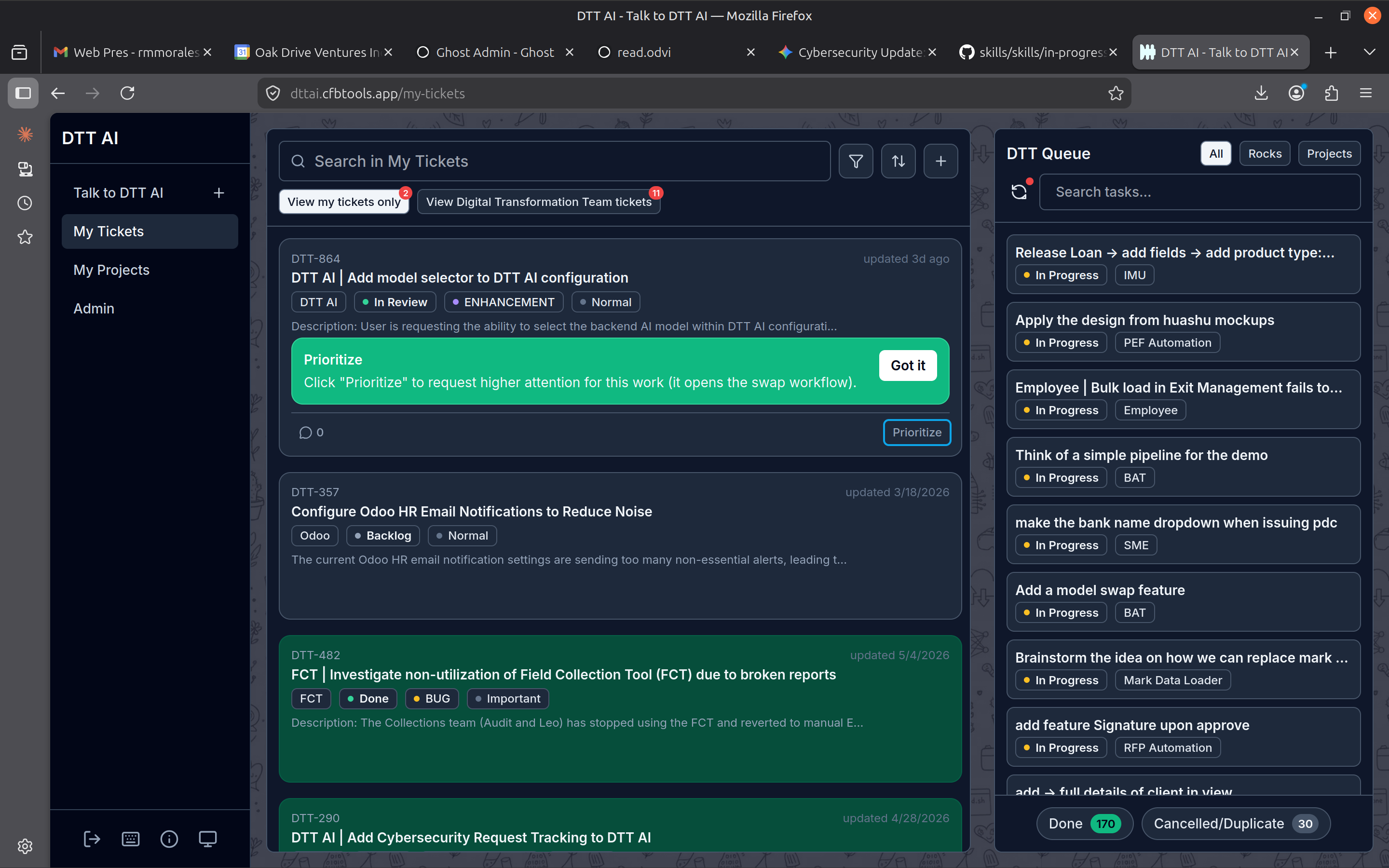
Lester Rosima, ODVI Cybersecurity & IT, built a dashboard for NIST cybersecurity implementation — an interactive roadmap with draggable cards, progress sliders, and real-time tracking. What used to be a static presentation is now a living document to track implementation progress.
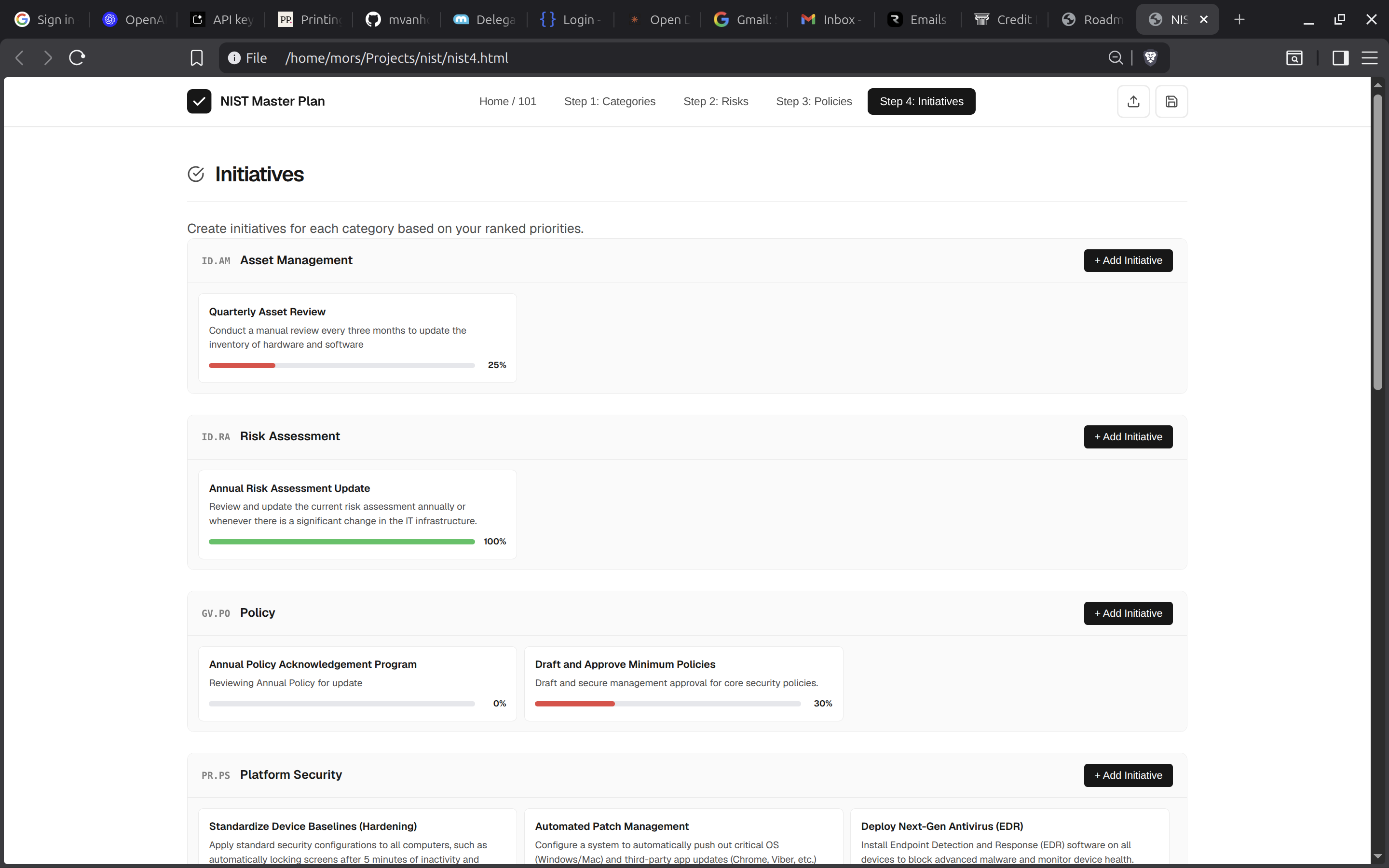
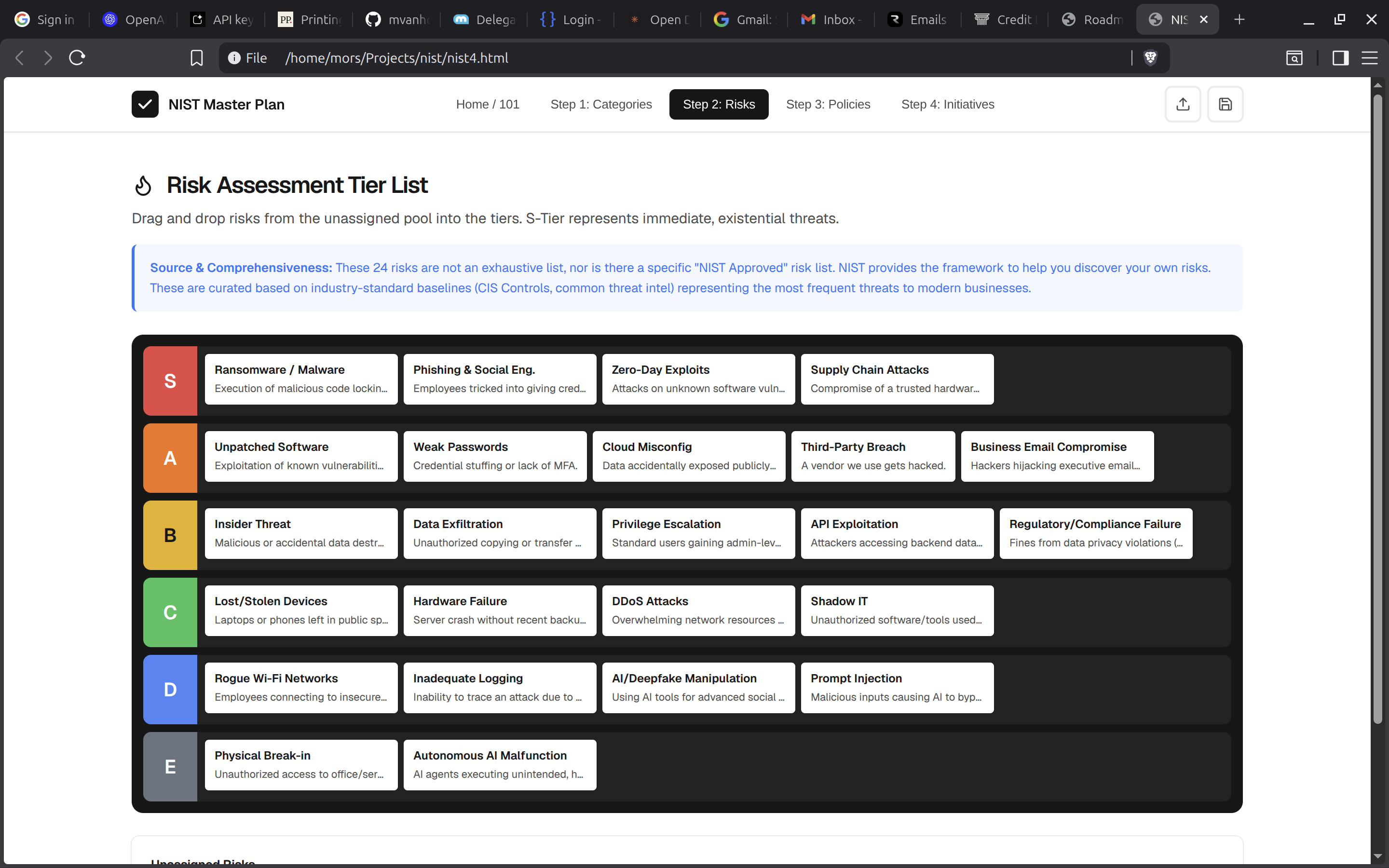
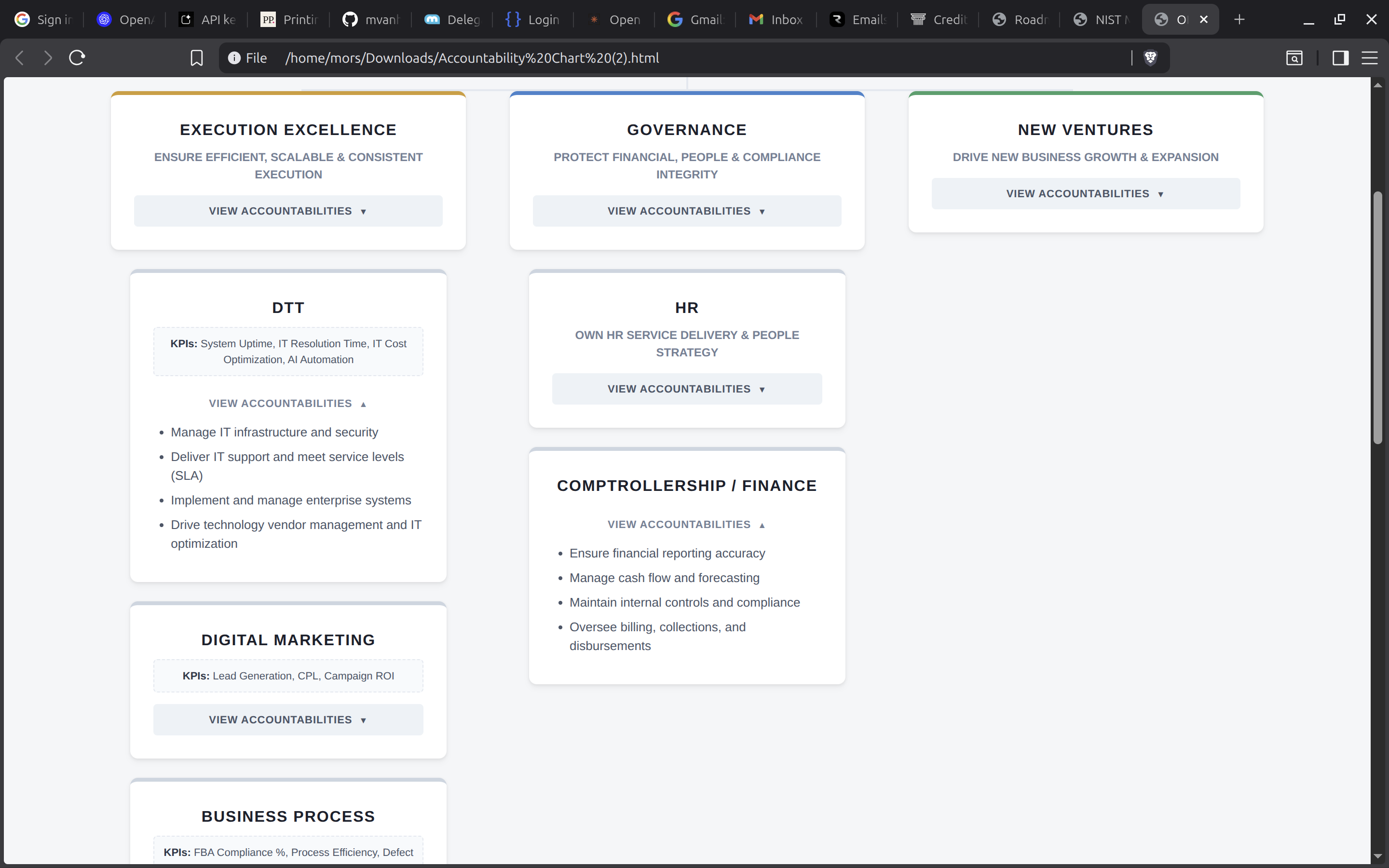
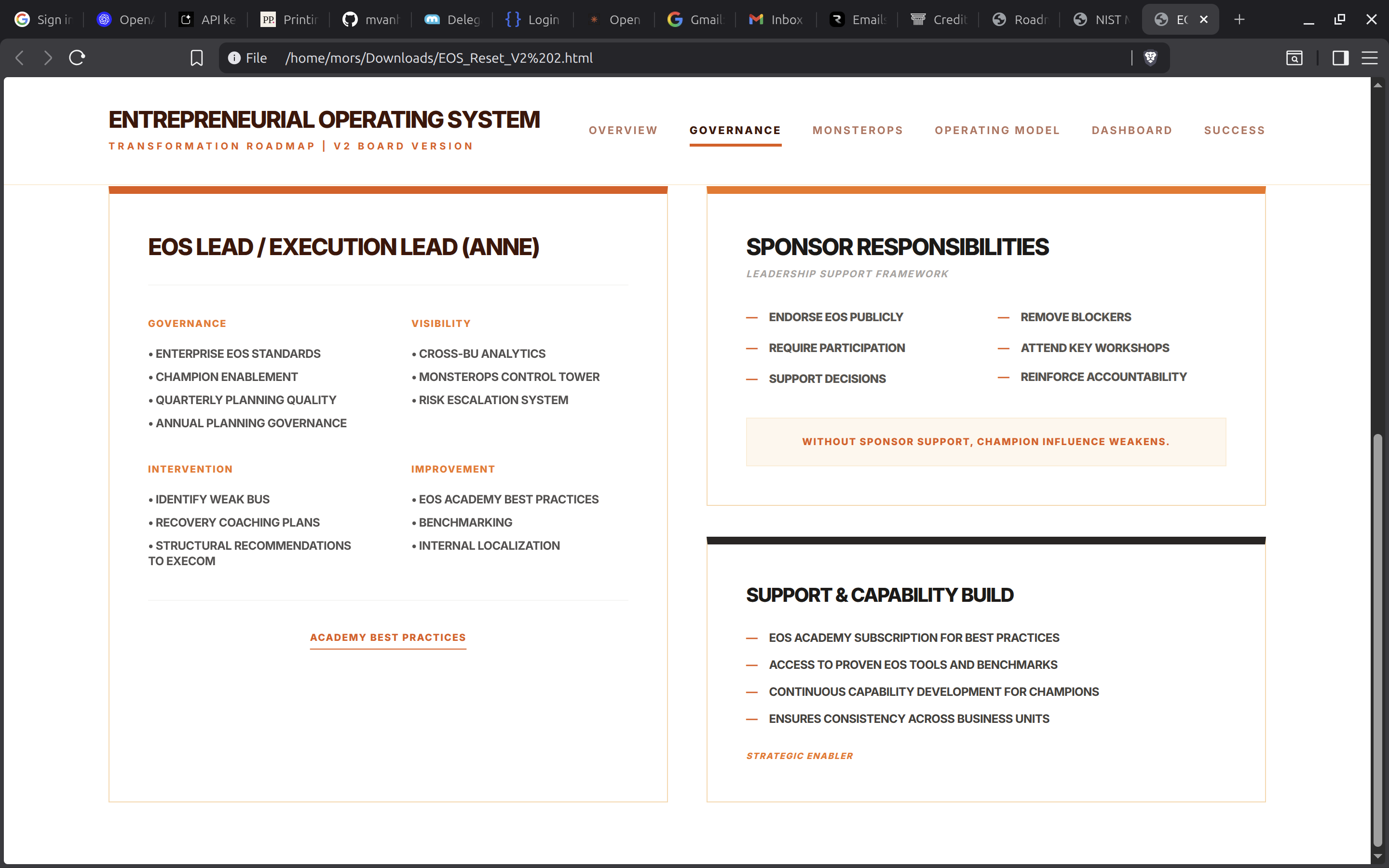
Anne & Lester created interactive and engaging website presentations
What do all of these projects have in common?
These were all ideas that weren't being started before AI. Whether it was due to lack of technical know-how or maybe because of lack of bandwidth or time. Learning about AI made these initiatives possible. They communicated what they wanted (intent) to AI and were willing to guide (validate & verify AI's output) it until the end product was delivered, with AI doing the execution.
A few more departments are already scheduled within the next week or two: ODVI HR, Legal and Accounting of L&H. I encourage the rest of the teams, departments, and business units: if you want to develop the same capabilities for your team, please book a Calendly session.
AI Tool Subscriptions
If you don't have an AI subscription yet, I can provide one during training — but each team is supposed to take ownership of their own AI and digital tooling as indicated in the attached AI Policy.
Here's the reasoning: as we continue to roll out these AI tools across the organization, I've decided to take a decentralized approach for this deployment. Rather than pooling resources centrally — DTT manages subscriptions centrally — I strongly believe it is best for each specific group or department to have their own dedicated subscription.
- Drives Ownership
- Increases Commitment
- Maximizes Utility
ROI Tracking
Teams are expected to derive some positive ROI from using AI. It can be about making a process more efficient (save time), reducing errors or eliminating manual steps. Exploration, experimentation, R&D regarding AI are all part of learning and should pay dividends in the long run. The AI Policy reflects this — we're not expecting instant returns from everyone. We're expecting to build momentum now.
Please read the attached AI Policy if you have any questions or concerns. I hope you are as excited as I am to see what everybody else will be building in the next few months — we're off to a good start, let's keep it going.